in this article
You film a 40-minute interview with the company's CEO. The marketing team asks for 15 short cuts to feed LinkedIn and the corporate Instagram.
The editor spends days hunting for the best lines on the timeline. When the files finally arrive, the subtitle text is wrong and the brand logo is cut off at the edges, delaying the schedule.
If you're looking for a social media video production company able to deliver volume, hiring more editors won't solve the bottleneck. The way out is changing the process.
The problem is the lack of a method that integrates capture with post-production. It's impossible to keep consistency if every short cut is treated as an isolated project.
The method for scaling short videos in B2B
Trying to extract short pieces from material that wasn't planned for that format creates constant rework in the edit.
If the camera only records horizontally and without margins, converting the raw file to vertical requires manual repositioning scene by scene.
1. Shoot with the final formats in mind
The director of photography needs to know from the start whether the project involves producing content videos for social media.
They will frame the scene respecting the safe area of the 9:16 format. In practice, this means leaving margins around the interviewee.
In the edit suite, that breathing room ensures the reframing doesn't cut off the face or the gestures of the speaker.
2. Real-time logging on set
Watching an hour of raw footage over and over to find a 30-second line paralyzes the operation.
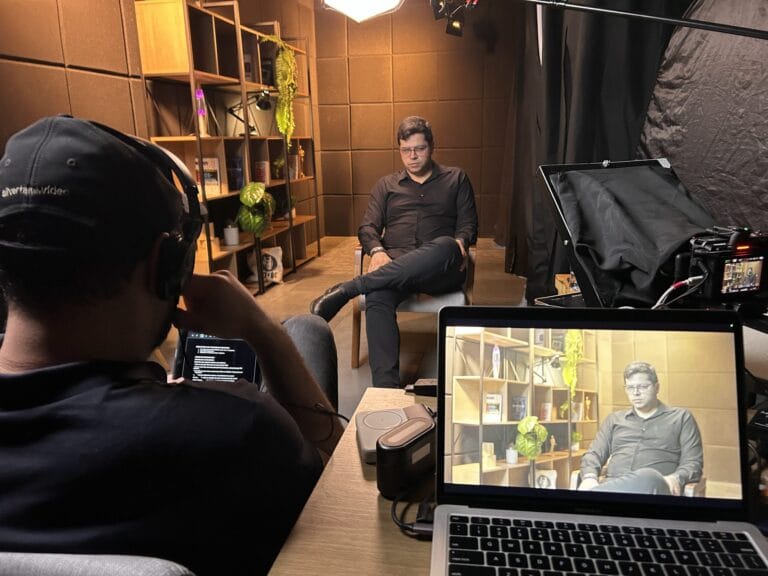
Logging happens during the interview. An assistant notes the exact timecodes whenever the expert delivers a complete answer.
The editor receives a map of the best lines, which speeds up the distribution of the master material.
3. Text-based editing and lightweight files
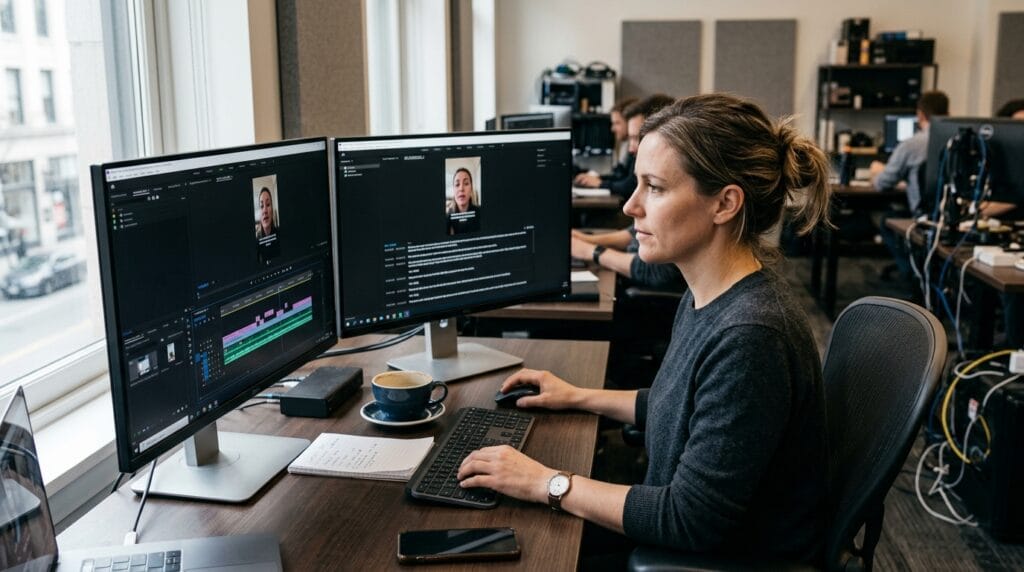
Programs like Premiere and DaVinci Resolve allow editing from the text transcript. The editor reads the answers and makes the cuts directly on the words, without having to listen to the whole clip.
Adopting a proxy workflow also solves the technical slowness. Editing happens with lightweight files and rendering uses the heavy originals, avoiding crashes when exporting dozens of cuts.
4. Standardized graphics and centralized review
Short videos need dynamic subtitles, lower thirds and graphic animations to work in the feed without sound.
Building the visual identity from scratch for every clip multiplies the hours of work. The solution is to use a graphic package with fixed templates created for the brand.
In the validation stage, consolidate feedback on platforms built for video versioning. This avoids losing history in message groups.
How we produce cuts at scale at Silvertake
In our operation, the main video and its spin-offs are part of the same project. The crew shoots in high resolution, already allowing for the margins needed for the vertical cuts.
We applied this logistics on the campaign for Bernoulli Educação's Father's Day, where we filmed long testimonials in Belo Horizonte and Salvador.
The final delivery included the main one-minute video, 30-second cutdowns and vertical cuts to feed the institution's feed.
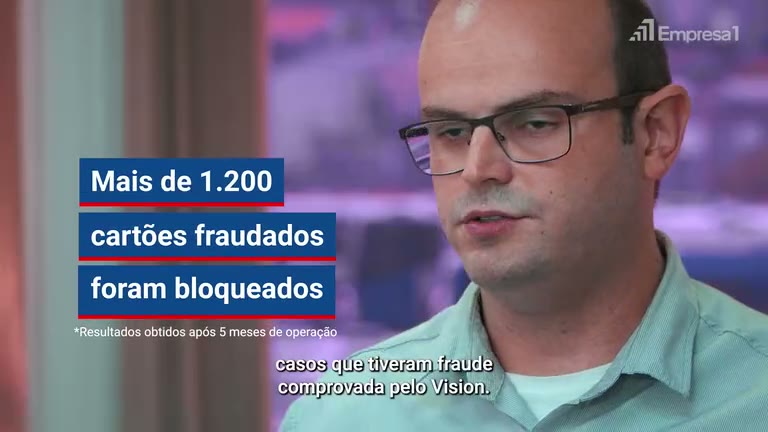
For technical content, the rule is the same. The Company 1 case study video series project required interviews on urban mobility, which yielded the main narrative and 9:16 snippets.
Extracting several formats from a single shoot day spreads out the production cost and guarantees publishing volume for marketing.
Adjusting your company's video operation
If your team captures good events, but the editing and approval of short formats bottleneck the schedule, the technical process needs adjustments.
Forcing publishing volume from unplanned files creates operational strain for the editors.
Silvertake designs master capture workflows focused on extracting short cuts. Send us your scenario through our contact page so we can assess your schedule.
Published on September 28, 2026

Samuel Silva is the co-founder and Creative Director of Silvertake Vídeo, a video production company in Belo Horizonte. He leads a team that combines creativity and technology, delivering over 7,000 videos for more than 100 companies. A graduate in Advertising from PUC Minas, Samuel specializes in marketing, creative automation, and audiovisual production.