in this article
- Why health videos are different
- How to humanize institutional health videos
- Types of video for hospitals, clinics and healthcare companies
- 5 examples of videos in the healthcare field.
- Medical advertising rules that affect video.
- Privacy and recording in a hospital setting.
- Technical precision and medical review
- Accessibility
- Formats and where to use them
- Common mistakes in health videos
- How much does a video for a hospital or clinic cost?
- Frequently Asked Questions
- Caution appears on the screen when the team appears.
Videos for hospitals, clinics, or healthcare companies are effective when they showcase the caregivers and accurately explain the treatment without promising specific results. Structure and equipment matter, but those who decide look for signs of care and safety.
In this guide, you'll see how to humanize healthcare institutions, the most commonly used video types in the sector, and real-world examples from hospitals, telemedicine, health education, and public policy. Then come specific considerations: patient privacy, recording in a hospital setting, medical review, CFM (Brazilian Federal Council of Medicine) advertising regulations, accessibility, formats, errors, costs, and frequently asked questions.
Quick summary:
- Infrastructure and technology have become the expected basics; what makes the difference is the team.
- The procedure is explained in an animation, without showing the patient.
- Every prescription containing clinical information is reviewed by a responsible physician.
- THE CFM Resolution No. 2,336/2023 It defines what medical advertising can show, and this affects scriptwriting, filming, and editing.
- Patients only appear with written authorization, and health data is considered sensitive data under the LGPD (Brazilian General Data Protection Law).
- Subtitles and sign language broaden the reach to an audience that includes the elderly and people with hearing impairments.
Why health videos are different
Those who watch videos about hospitals or clinics are often concerned about their own health or that of a family member. The manager of an operator or company that contracts the service also assesses risk before making a decision.
| Challenge | What does this mean for the video? |
|---|---|
| Trust | Show who cares, naturally and without exaggeration. |
| Public sensitivity | A welcoming tone, without forced drama or shocking images. |
| Technical precision | Clinical information reviewed by a physician before production. |
| Professional council rules | Limits on promises, patient images, and before-and-after photos. |
| Privacy | Patients, medical records, and screens outside the frame, unless authorized. |
| Recording environment | patient care routine, restricted areas, and infection control. |
How to humanize institutional health videos
Most healthcare institutions talk about the same things: cutting-edge technology, qualified medical staff, modern facilities. For those choosing one, this has become a prerequisite.
What matters most in the decision is the perception of care. A video showing empty corridors and machines turned off conveys a sense of coldness, even with the best infrastructure in the city.
| Institutional cold | Humanized institutional |
|---|---|
| white walls and equipment, but no one there. | the team using technology on a daily basis |
| director reading institutional text | Doctors, nurses, and reception staff talking about their own work. |
| Harsh light and still camera | Carefully designed lighting, subtle movement, and ambient sound. |
| list of voice-over specialties | One specialty at a time, with the person who attends to you in that specialty. |
| adjectives such as "excellence" and "reference"“ | Facts: how the service works, what the patient finds. |
Humanizing the experience doesn't require forced tears or dramatic background music. Simply capturing the daily routine with sensitivity is enough: the attentiveness of those receiving the patient, the conversations among the staff, the care in the details.
The doctor on camera needs to sound confident in their technique and approachable. We explain how to achieve this in... How to direct video experts without losing naturalness..
Types of video for hospitals, clinics and healthcare companies
| Type | Why? | Common format |
|---|---|---|
| Institutional hospital or clinic | Introduce the institution, the team, and the services. | on-location recording, team testimonials |
| Services and specialties | to explain what each area does and for whom. | short series, one video per specialty |
| Procedure explanation | to show how an exam, surgery, or treatment works | 2D or 3D animation with medical review. |
| Patient guidance | Exam preparation, post-operative care, medication use, arrival at the hospital. | short video with animation or presenter |
| Team training | protocols, patient safety, systems, integration | video lesson, microlearning, recorded simulation |
| Health campaigns | Pink October, Blue November, vaccination, prevention | Short video for networks and internal screens. |
| Recruitment | attract healthcare professionals | Team testimonials, behind-the-scenes footage |
| Healthtech and software | Introducing the platform, medical records, and telemedicine. | screen recording with motion graphics |
For patient guidance and training, short videos per task work better than one long video; see video microlearning. Health calendar campaigns require planning months in advance, as we have shown in videos for special occasions.
5 examples of videos in the healthcare field.
1. IMO Hospital: Institutional and Promotional
Institutional · 1:53 · see the case
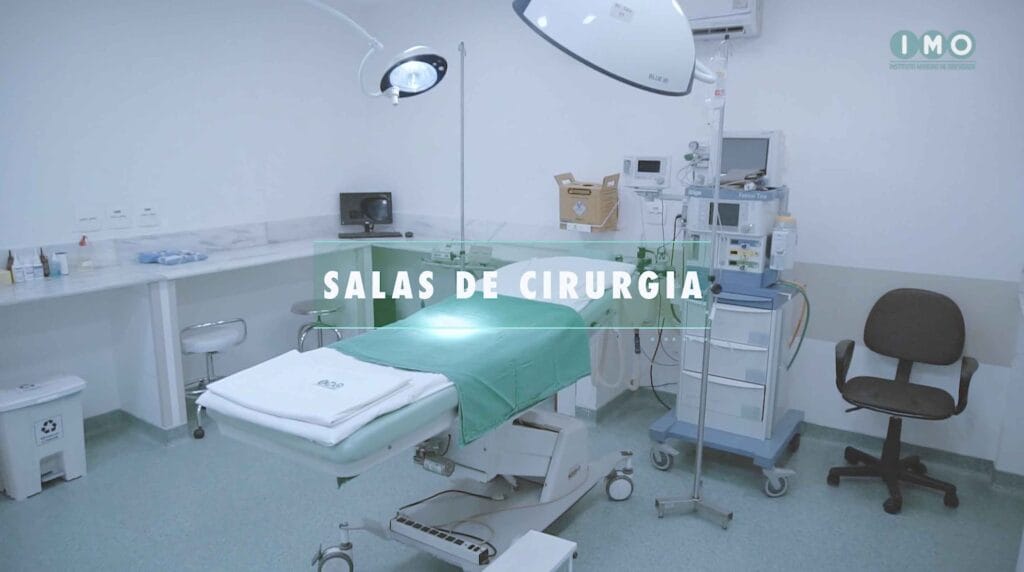
IMO Hospital is a leading center for obesity treatment. The project included two videos: an institutional video showcasing the hospital, and a promotional video highlighting its services.
The script highlighted the multidisciplinary approach, with specialists from various fields, as well as the infrastructure. The recordings were organized to capture each area of the hospital.
Promotional · 0:30 · see the case
What to take advantage of: A single recording plan served both pieces. The institutional video talks about the institution, and the promotional video, which is short, presents the treatments.
2. ToLife: Telemedicine software presentation
Product video · 2:03 · see the case
ToLife, a telemedicine company, needed to present its software to the market. The video combines screen recording, stock images, motion graphics, and graphic interventions on the images.
The delivery included a subtitled version and a vertical format for Reels.
What to take advantage of: In healthtech, the buyer wants to see the system in action. Screen recording shows the actual product, and animation highlights the features that matter.
3. Baptist Education Network: health guidelines for returning to classes
Instructional video · 2:10 · see the case
In December 2020, the Baptist Network needed to guide students, parents, and staff on the protocols for returning to in-person classes. The video presents the procedures in a straightforward way, so that everyone knows what to do.
The recording itself followed safety protocols, with PPE and social distancing, and was completed before the start of classes.
What to take advantage of: Health guidelines require clarity and a deadline. The video needs to be ready before the change takes place. See also How to communicate sensitive changes in video..
4. FGV and Petrobras: early childhood as a public policy
Motion graphics · 4:39 · see the case
For FGV CEIPE and Petrobras, in the Direct Qualification in Early Childhood project, the animation explains why investing in public policies for early childhood helps to combat inequality and poverty.
The script was developed with the FGV CEIPE team, using accessible language for non-experts, with rounds of revisions until final approval.
What to take advantage of: Public health and child development topics are technical. The animation makes the concept clear, and expert review ensures that nothing has been oversimplified.
5. Sicoob Credicom: communication for healthcare professionals
Motion graphics for events · 1:05 · see the case
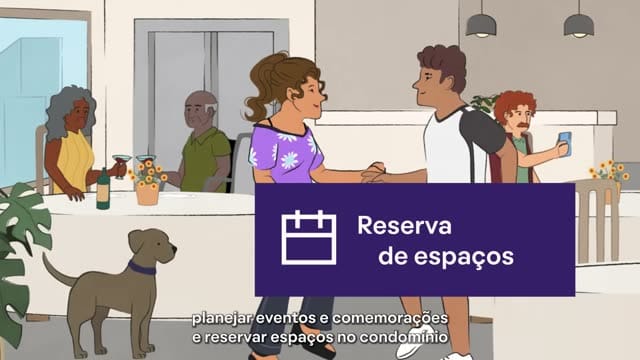
Sicoob Credicom is a financial cooperative in the healthcare sector, and its members are professionals in that field. The animated institutional video was designed to run on a loop at events and displays, using the style of the cooperative's previous productions.
What to take advantage of: Companies that serve doctors and other healthcare professionals also need video, and the tone should reflect that audience: approachable and without exaggeration.
Medical advertising rules that affect video.
THE CFM Resolution No. 2,336/2023, The regulation, published in September 2023, addresses medical advertising and marketing. It applies to physicians and, where applicable, to hospitals, clinics, and other legal entities in the field.
Points in the script that change decisions regarding scriptwriting, filming, and editing:
- Identification. Hospital and clinic materials must include the name of the establishment with its CRM registration number and the name of the medical director with their CRM registration number (and the RQE, where required).
- No promise of results. It is forbidden to guarantee, promise, or imply good treatment results.
- Equipment doesn't work miracles. One cannot assign privileged capabilities to devices.
- Filming of procedures. The capture of images by external teams during procedures is only authorized during childbirth, with the wish of the mother or family and the consent of the doctor.
- Patient unidentifiable. Images of procedures that identify the patient are prohibited.
- Before and after. Only as a whole, with satisfactory, unsatisfactory, and complicated developments, accompanied by educational text. Editing or improving these images is prohibited.
- Depoimentos sóbrios. Depoimentos sobre a atuação do médico não podem usar adjetivos de superioridade nem induzir promessa de resultado.
- O que é permitido. Mostrar o ambiente de trabalho, a própria imagem e a equipe clínica em foto ou vídeo.
Dentistas, psicólogos, nutricionistas, fisioterapeutas e outras profissões têm seus próprios conselhos e regras. Leve o roteiro ao jurídico e ao diretor técnico antes de gravar e confira a versão vigente das normas no portal do conselho.
Privacy and recording in a hospital setting.
Pela LGPD (Lei nº 13.709/2018), dado referente à saúde é dado pessoal sensível. Na prática, um nome num quadro de internação ou um prontuário aberto no fundo da cena já é exposição.
| Cuidado | Como resolver |
|---|---|
| Pacientes em quadro | gravar em alas ou horários sem atendimento, ou usar figurantes identificados como tal |
| Paciente que quer participar | autorização de imagem por escrito, com canais e prazo, e direito de revogar |
| Telas, prontuários, pulseiras | dados fictícios, telas desligadas ou desfoque na edição |
| Controle de infecção | alinhar com a equipe responsável: paramentação, limpeza do equipamento, áreas proibidas |
| Rotina do hospital | cronograma com a administração, equipe enxuta e rotas que não cruzem o atendimento |
| Audio | alarmes e chamadas ao fundo: prever captação separada e locais silenciosos para entrevistas |
A autorização de imagem vale também para médicos e funcionários. Veja o que incluir no Image rights checklist.
Technical precision and medical review
Um erro de anatomia numa animação ou um termo usado de forma imprecisa derruba a credibilidade do vídeo inteiro. Na saúde, a revisão técnica é uma etapa do cronograma.
- Briefing com o médico responsável. Ele define o que precisa ser dito, o que não pode ser simplificado e as fontes.
- Roteiro revisado pelo médico e pelo jurídico, antes de qualquer arte.
- Storyboard ou animatic aprovado quadro a quadro em explicativos de procedimento, porque corrigir a animação pronta custa mais.
- Revisão do corte final, incluindo lettering, legendas e locução.
Com várias áreas aprovando, organize quem revisa o quê e em que prazo; explicamos em video approval workflow. Para escolher o estilo do explicativo, veja tipos de animação para vídeo corporativo.
Accessibility
O público da saúde inclui idosos, pessoas com baixa visão ou audição e pacientes assistindo em sala de espera sem som. Acessibilidade faz parte do atendimento.
- Legendas em todos os vídeos, inclusive nos cortes para redes.
- Janela de Libras em orientações a pacientes e campanhas.
- Linguagem simples, sem jargão médico sem explicação.
- Texto na tela grande, com bom contraste e tempo de leitura.
- Audiodescrição em peças institucionais e campanhas públicas.
Mais detalhes em Libras em vídeos corporativos.
Formats and where to use them
| Canal | Format | Duração |
|---|---|---|
| Site e página de especialidade | horizontal, legendado | 1 a 3 min |
| TV da sala de espera | sem depender do som, com legenda, em loop | 30 s a 2 min por peça |
| Instagram, TikTok e Shorts | vertical 9:16 | 15 a 60 s |
| WhatsApp e e-mail para pacientes | vertical ou quadrado, arquivo leve | 30 s a 2 min |
| Plataforma de treinamento | videoaula ou microlearning | 3 a 10 min |
| Eventos e congressos | formato do painel, em loop | 30 s a 2 min |
Common mistakes in health videos
Tour pelos corredores. Mostrar sala por sala sem ninguém cuidando de ninguém vira catálogo imobiliário. Coloque a equipe em cena.
Prometer resultado. Frases como “volte a viver sem dor” ou antes e depois isolado esbarram nas regras do conselho. Explique o tratamento e deixe o resultado para a consulta.
Descobrir as regras do hospital no dia. Área restrita, paramentação e horário de visita mudam o plano de gravação. Faça a visita técnica com quem cuida disso.
Paciente reconhecível sem autorização. Um rosto no fundo do corredor já é problema. Enquadre, agende ou desfoque.
Animação sem revisão médica. A produtora não é responsável pelo conteúdo clínico, e o médico precisa aprovar o storyboard antes da animação final.
Esquecer o público interno. Treinamento de equipe e integração de novos profissionais também são vídeo de saúde. Um plano de gravação bem feito atende os dois públicos.
How much does a video for a hospital or clinic cost?
Referência de mercado em 2026, com impostos. Diárias de gravação, número de locações, quantidade de animação e versões são o que mais muda o preço.
| Type | Common range | Larger projects | Prazo de referência |
|---|---|---|---|
| Institucional com gravação (1 vídeo de 2 a 3 min, 1 diária de gravação) | R$ 8 thousand to R$ 20 thousand | multiple cities, many daily rates or versions: above R$ 35 thousand | 4 a 8 semanas |
| Explicativo animado (1 vídeo de até 2 min) | R$ 6 thousand to R$ 15 thousand | Longer videos, original illustrations, characters, or 3D: above R$ 20,000 | 3 a 5 semanas |
| Pacote de animações (série de orientações, 2 a 6 vídeos de 1 a 3 min) | R$ 10 thousand to R$ 35 thousand | 10 or more videos, or more than 30 minutes of animation in total: above R$ 60 thousand | sob cronograma |
| Depoimento ou case (1 vídeo de 2 a 4 min, 1 cliente, meia a 1 diária) | R$ 8 thousand to R$ 18 thousand | Another city, more locations or operational images: above R$ 25 thousand | 4 a 6 semanas |
| Campanha ou VT (1 filme de 30 s a 2 min) | R$ 6 thousand to R$ 25 thousand | A campaign featuring multiple films, cast, and locations: above R$ 50,000 | 6 a 10 semanas com elenco |
| Pacote para redes sociais (10 a 30 vídeos de 15 s a 1 min, com 1 a 2 diárias ou cortes de material já gravado) | R$ 15 thousand to R$ 40 thousand | Continuous monthly production or multiple formats: above R$ 50 thousand | sob cronograma |
| Treinamento EAD (10 a 30 aulas de 10 a 30 min, 1 a 4 diárias) | R$ 15 thousand to R$ 60 thousand | Hundreds of lessons, more than 30 hours of content: above R$ 140 thousand | 2 a 4 meses |
Extras comuns: locução de R$ 400 a R$ 1.300 por vídeo de até 3 min, maquiagem de R$ 400 a R$ 1.200 por diária e janela de Libras a partir de R$ 800 por vídeo de até 3 min. As faixas completas estão em How much will a video cost in 2026?.
Frequently Asked Questions
Can I record a surgery for the institutional video?
Pela Resolução CFM nº 2.336/2023, a captura de imagens por equipes externas durante procedimentos só é autorizada em partos. Para explicar uma cirurgia, use animação revisada pelo médico responsável.
Can a patient give a video testimony?
Pode, com autorização de imagem por escrito. O depoimento deve ser sóbrio, sem adjetivos de superioridade e sem sugerir promessa de resultado, como pede a resolução do CFM para médicos e estabelecimentos.
Who reviews the technical content?
Um médico ou profissional de saúde indicado pela instituição, no roteiro, no storyboard e no corte final. O jurídico confere o que envolve publicidade e uso de imagem.
Animation or recording to explain a procedure?
Animação. Ela mostra o que acontece dentro do corpo, não expõe paciente e pode ser atualizada. A gravação entra para apresentar a equipe e o ambiente.
Does a small clinic need institutional support?
Um vídeo curto com a equipe, o espaço e o jeito de atender já resolve a primeira impressão no site e nas redes. Uma diária bem planejada rende o institucional e vários cortes.
How can I record without disrupting customer service?
Com visita técnica, cronograma aprovado pela administração, equipe enxuta e gravação em alas ou horários de menor movimento.
Caution appears on the screen when the team appears.
Nos exemplos, o que dá confiança é a equipe multidisciplinar do IMO, o software da ToLife funcionando, a orientação clara da Rede Batista. Estrutura, regras e revisão técnica sustentam o vídeo; as pessoas fazem o público acreditar nele.
Se o seu hospital, clínica ou empresa de saúde precisa de um institutional video, de explicativos em animation ou de treinamentos, Tell me what you need. e planejamos a produção com você.
Publicado em 30 de July de 2026 · atualizado em 29 de September de 2026

Samuel Silva is the co-founder and Creative Director of Silvertake Vídeo, a video production company in Belo Horizonte. He leads a team that combines creativity and technology, delivering over 7,000 videos for more than 100 companies. A graduate in Advertising from PUC Minas, Samuel specializes in marketing, creative automation, and audiovisual production.