
in this article
- The true breakdown of the price: what are you really paying for?
- The dangers of hidden costs: what's not written in the proposal
- How to strategically audit a video production company's portfolio.
- The fundamental difference between an operational supplier and a strategic partner.
- Ready to bring your project to life professionally?
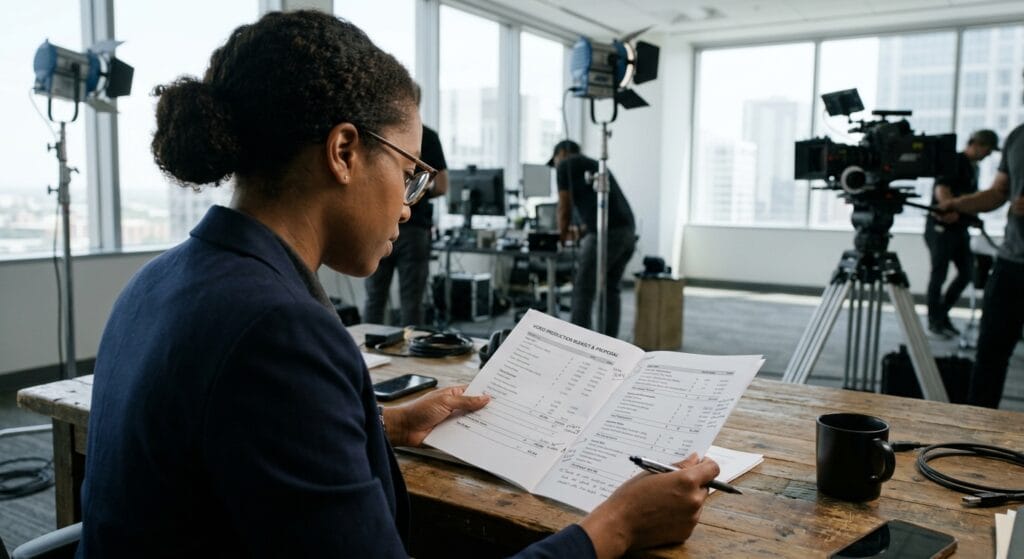
You send the same scope to three different suppliers. Days later, the proposals arrive in your inbox: the first charges R$15,000 for 4-hour projects, the second asks for R$50,000 for 4-hour projects, and the third closes at R$120,000 for 4-hour projects. The basic outline is similar, the estimated duration is identical, and the final objective of the project is also the same. How can the same briefing generate such brutal price distortions? For those in the decision-making role in B2B marketing or purchasing, hiring a video production company Being assertive often feels like a guessing game where the risk of being wrong is paid for with the job itself.
This disparity in pricing is not merely a commercial whim. The corporate audiovisual market operates in a kind of black box for those outside the field, mixing complex technical costs with creative promises that are difficult to measure before they "pay off." The most common—and most expensive—mistake is trying to equalize these proposals by analyzing only the bottom line. The result of this shortsighted choice almost always translates into projects that drag on for months, endless revisions, and a final video that fails to connect with its target audience.
The true breakdown of the price: what are you really paying for?
To demystify video production budgeting, we need to divide the project into three fundamental phases. If the commercial proposal you received doesn't detail these blocks, be immediately suspicious. Amateurish pricing is the first sign that the final deliverable will be problematic.
1. Pre-production: the intellectual basis of the project
Here lies the brain of your video. It encompasses script development, art direction, scene breakdown, and logistical planning. Very cheap proposals often neglect this stage, going straight to filming with a generic script lacking strategic depth. It's the difference between content that truly understands the audience's pain points. Technology sector or from your company and a video that looks like just an empty commercial.
2. Production: the infrastructure on set
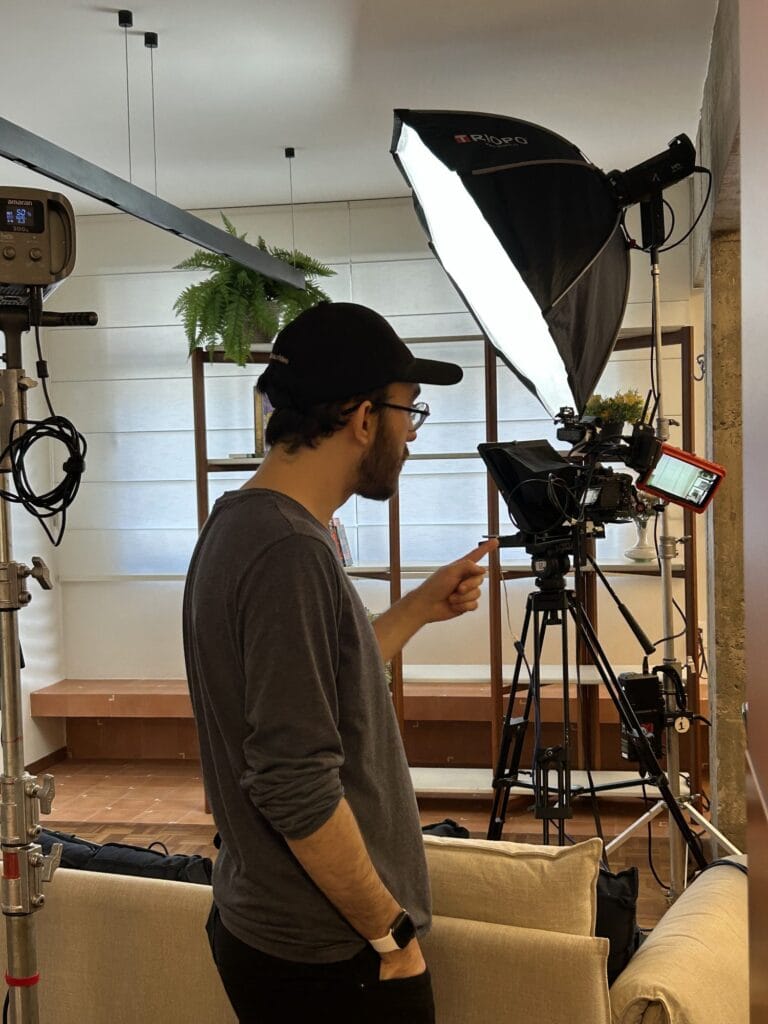
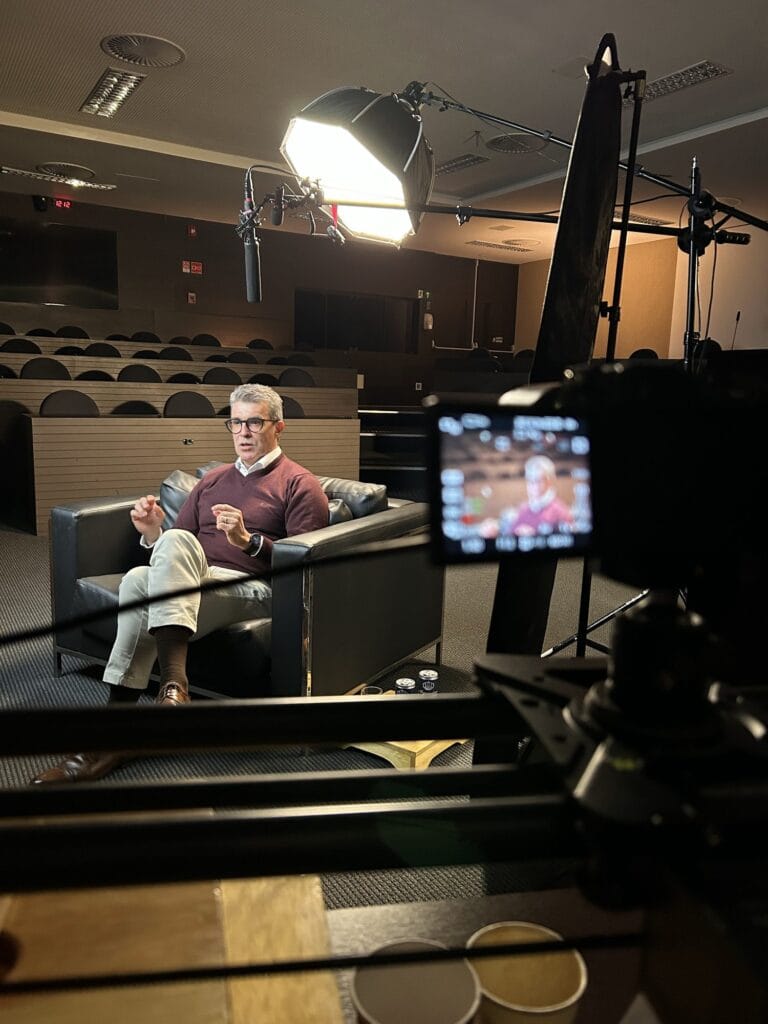
This is the visible part, but it hides many pitfalls. The budget is directly impacted by the quality and size of the team (director, director of photography, sound recordist, assistants) and the equipment used. Cinema cameras, professional lenses, and state-of-the-art lighting equipment are expensive, but they guarantee an impeccable image. A low-cost production company saves money by reducing the team to a minimum, which overloads the professionals and compromises the aesthetic result of their work. Corporate video.
3. Post-production: where the magic happens
Editing, color grading, sound design, mixing, and insertion of elements. Motion graphics. This phase can take three times as long as the image capture. A common mistake buyers make is thinking the work is over when the camera is turned off. Post-production is the refinement that transforms a bunch of loose takes into a fluid and highly compelling narrative.
The dangers of hidden costs: what's not written in the proposal
The saying "cheap that ends up being expensive" in B2B audiovisual has a name: hidden costs. Often, a proposal seems tempting because it hides expenses that will inevitably be charged later. Pay attention to these three critical factors before signing any contract:
- Copyright and licensing: Soundtracks, stock footage, and professional narration require usage licenses. If the proposal does not specify that these fees are included for commercial use and for an indefinite period, you may receive a legal notice for copyright infringement months after the video's release.
- Limited rounds of changes: How many revisions are included in the scope? Some production companies offer a low initial price, but charge exorbitant fees from the second round of adjustments onwards. A healthy process requires flexibility to refine the material collaboratively.
- Formats and deliverables: Will your video only be shown on YouTube, or do you need vertical versions for social media, quick cuts for business presentations, and integrated subtitles? Format versioning should be planned in the initial scope to avoid additional delivery charges.
How to strategically audit a video production company's portfolio.
Don't be fooled by just a dynamic 60-second showreel with exciting music. The showreel is a "best of" compilation from the producer's entire history. To understand the real delivery, ask to see it. complete cases and preferably focused on their area of expertise.
If you need a project for the Industrial sector, Assess whether the production company knows how to translate complex processes and factory environments in a safe and appealing way. If the demand is for Animated video For educational content, check the clarity of the didactic approach in previous animations. A successful portfolio should demonstrate the ability to solve business problems, not just create pretty images. Access our [link/resource]. Complete portfolio to understand the consistency of our deliveries across different B2B formats and niches.
The fundamental difference between an operational supplier and a strategic partner.
At the end of the day, the choice of yours video production company It all comes down to the level of partnership your brand needs. A purely operational supplier will execute exactly what you ask, even if your initial idea isn't the most efficient for the end goal. They turn on the camera, record, and deliver the file.
A strategic partner acts in a consultative manner. They question the briefing, challenge the proposed format if they see a better path to ROI, deeply understand the nuances of the B2B market, and ensure that your leadership's message is conveyed with maximum authority. At Silvertake, we build our positioning—which you can learn more about at [link to Silvertake positioning]—through this approach. Who we are — based on the premise that each audiovisual project should be a sales asset or a long-term means of institutional strengthening.
Ready to bring your project to life professionally?
Evaluating audiovisual business proposals doesn't have to be a stressful and uncertain process. By understanding cost dynamics and demanding technical transparency from suppliers, you protect your department's budget and ensure a high-impact communication asset for your company.
If you have an ongoing corporate communication need and want a transparent, detailed quote focused on real results for your business, contact us. Visit our page at Contact to send us your briefing or take the opportunity to Schedule a meeting Speak directly with our customer service specialists. Together, we'll design the ideal audiovisual solution for your brand.
Published on May 23, 2026 · updated on August 10, 2026

Samuel Silva is the co-founder and Creative Director of Silvertake Vídeo, a video production company in Belo Horizonte. He leads a team that combines creativity and technology, delivering over 7,000 videos for more than 100 companies. A graduate in Advertising from PUC Minas, Samuel specializes in marketing, creative automation, and audiovisual production.