

Understand why letting ChatGPT create end-to-end video drives away B2B clients. See how to balance artificial intelligence and real audiovisual direction.
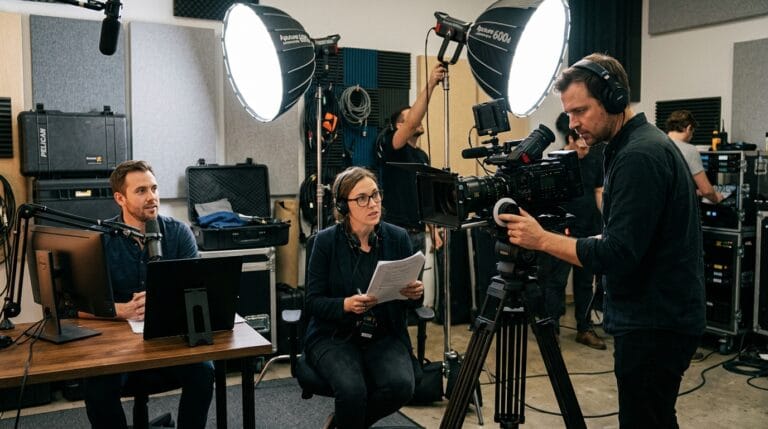
A promise of automation is circulating among corporate managers: the company no longer needs producers, screenwriters, or directors in the marketing funnel. The proposal claims that all it takes is to open a website and leave the... chatgpt create video The operation takes only a few minutes.
The theory of automation appeals to leaders when it comes to cost-cutting spreadsheets. In practice, the end result frustrates teams at the approval stage. The content delivered by the platforms is cold, generic, and lacks the nuance required for brand communication.
In complex sales, the client buys trust long before signing the contract. Delegating this building of authority to algorithms affects perceived professionalism. The impact on the perception of quality happens immediately.
The corporate market deals with high figures and multiple influencers on the purchasing committee. Buyer skepticism remains high during negotiations. They investigate the details of the communication to validate whether the operation is solid or just a digital facade.
Videos created by artificial intelligence send warning signs. The absence of real faces and the natural cadence of speech point to a lack of substance in the business. The brand delivers the image of a packaged solution.
Looking the same as the competition hurts those vying for the attention of executives. Adopting the same avatars and text commands used by other brands negates your differentiation in the market.
Language models work well for tasks like organizing meeting topics or structuring internal emails. The tool fails to emulate speech pauses. The generation command delivers a rigid B2B script to the presenter.
One institutional video It's far from a manual read aloud. The narrative demands unexpected twists and hooks to hold the viewer's attention. The artificial intelligence ignores the narrator's breathing and the intention of the visual cut in the editing.
The generated text overwhelms the viewer with adjectives. Overused expressions take the place of direct technical arguments. The persuasive piece becomes tiresome to watch.
After the approval of a text lacking rhythm, the use of avatars exacerbates the disconnect. This choice compromises the credibility of technology companies or heavy industries. The client perceives the mechanical movement and artificial gaze of the on-screen representation.
The brand conveys operational sloppiness rather than technical advancement. The company's refusal to bring in an in-house expert to champion the product alienates buyers. Clients hesitate to allocate their budget to this supplier.
We've already discussed the limits of AI avatars in corporate training and distance learning. Automation clashes with the need for direct human contact when it comes to selling institutional trust.
The accuracy of information guides corporate operations. The construction of a technical narrative by artificial intelligence increases the risk of script hallucinations. The machine invents functionalities and delivers unrealistic specifications for the software.
Approving flaws in the final product creates compliance problems for corporations. Clients perceive the difference between the stated message and industry standards. This inconsistency causes friction right from the initial sales contacts.
Maintaining brand safety requires continuous care. AI doesn't assess whether the tone of a phrase might offend a group of project stakeholders. The company's social perception depends on the actions of directors and producers on set.
Automated generation platforms fill in the cuts with stock footage. The edited version shows executives shaking hands and growth charts without context to the subject matter. This choice does not reflect daily operations and hides the company's identity.
The brand manual sets rules that go beyond the logo colors on screen. The document dictates the photographic atmosphere and lighting style of the recordings. The generation algorithm fails to interpret these aesthetic guidelines during editing.
The impact of these choices affects the audiovisual planning of corporate campaigns. The table below summarizes the behavior of the two production models in relation to market demands.
| B2B criteria | AI-Generated Video 100% | Targeted Audiovisual Production |
|---|---|---|
| Script and Tone | Formal and lacking natural speech rhythm. | Direct and focused on the corporate persona. |
| Visual Identity | Repetitive use of stock images | On-the-ground scouting aligned with the brand. |
| Customer Connection | Distancing through robotic speech | Use of actual employee presence. |
| Information Security | Risk of hallucinations and breach of compliance. | Direct control over the approved message. |
Criticism of automated production coexists with the adoption of language technology. The Silvertake team uses computational tools to accelerate internal bureaucratic demands. The software organizes the script references before filming.
The models handle the logging of long interviews and the technical translation of corporate subtitles. The machine organizes pre-production materials. The creative director's chair remains under human control.
The separation of functions organizes the audiovisual production routine in agencies. The machines gather the script data at high speed. The work of directing real experts in front of the camera It requires the technical adjustments of a director on set.
This explains Why video case studies will be the biggest B2B asset. In decision-making, the manager wants to observe the technology operating in practice and hear the end customer confirm the results. Watch the TrueChange project:
The team documented the implementation of the system on the MRS Logística rail network. A synthetic avatar could not convey the scale of this rail operation. Direct documentary evidence validates the integrator's sales arguments.
Marsh's 70 years of work in Brazil exemplifies the need for human decisions. The corporate manifesto summarizes the legacy and objectives of the risk consultancy in the country. The voice-over recording and the selection of archival images support the campaign's intention.
Marsh | Institutional Video Manifesto
Cutting corners in communication affects buyers' attention. The time saved on scriptwriting is lost when a weak image of the product is presented to the market. The lack of audiovisual credibility prematurely ends negotiations.
Standardizing messages reduces conversion rates in the corporate environment. Solve your sales operation's communication challenge with a dedicated technical team. Send us the project guidelines and come talk to us! Talk to our production team..
Request a Quote