in this article
- 1. Plan every detail before recording
- 2. Choose the right location for recording
- 3. Invest in quality lighting
- 4. Use external microphones for better audio capture
- 5. Do tests before starting recording
- 6. Define a professional framework
- 7. Use tripods and stabilizers
- 8. Take care of the scenery and visual composition
- 9. Record in high resolution and at a good frame rate
- 10. Always have a plan B
- Conclusion
Shooting a high-quality video involves much more than just turning on the camera. From planning to post-production, every detail counts to ensure a professional and efficient final result. In this article, Silvertake Video share 10 essential tips to optimize your recording and avoid common problems.
1. Plan every detail before recording
Effective filming starts with solid planning. Define the purpose of the video, the target audience, the main points of the script, and the equipment needed. Planning reduces unexpected events and improves the flow of the process.
2. Choose the right location for recording
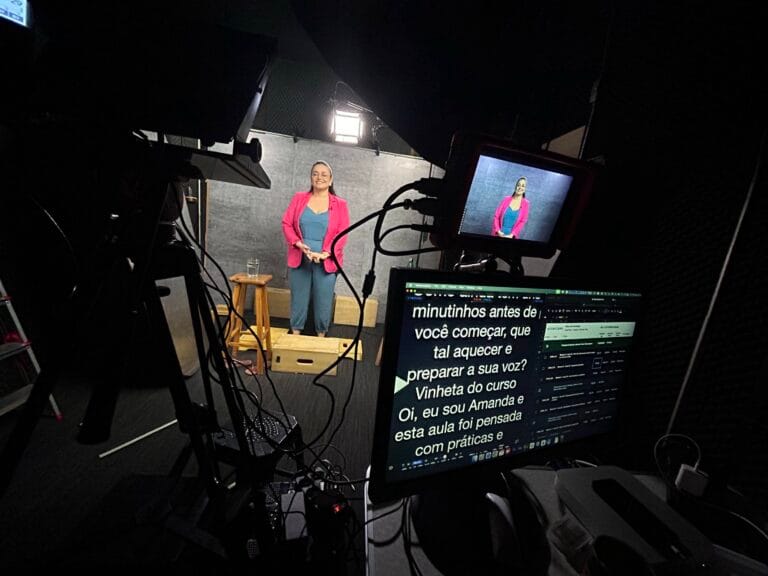
The environment directly influences the quality of the video. Choose places with good natural lighting or set up adequate artificial lighting. Also, ensure that the environment is quiet to avoid unwanted noise in the audio.
3. Invest in quality lighting
Lighting is one of the most important factors in ensuring a professional video. Use diffuse light sources to avoid casting harsh shadows on the faces of interviewees or actors. Softboxes, ring lights, and LED reflectors are great options for controlled lighting.
4. Use external microphones for better audio capture
Audio is just as important as image. Built-in microphones on cameras and cell phones often pick up unwanted noise. Use lavalier or directional microphones for cleaner, more professional audio.
5. Do tests before starting recording
Before you start recording officially, do some image, audio, and lighting tests. This will prevent rework and ensure that everything is set up correctly to get the best possible result.
6. Define a professional framework
Proper framing makes all the difference in the aesthetics of the video. Use the rule of thirds to create balanced and visually appealing compositions. Avoid unnecessary empty spaces and keep the focus on the main subject.
7. Use tripods and stabilizers
Shaky videos give off an amateurish look. Use tripods or stabilizers to keep the camera steady and ensure more stable and professional recordings.
8. Take care of the scenery and visual composition
The setting should be in line with the purpose of the video. Avoid elements that could distract the viewer and opt for organized backgrounds that are consistent with the message you want to convey.
9. Record in high resolution and at a good frame rate
To ensure a quality video, record at least 4K and use frame rates that are appropriate for each type of production. For more dynamic videos, such as sports, 60fps may be a good choice, while interviews work well with 24fps or 30fps.
10. Always have a plan B
Even with planning, unforeseen events can happen. Bring extra batteries, enough memory cards and have backup equipment to avoid delays and technical problems during recording.
Conclusion
Optimizing video recording is essential to ensure quality material without wasting time and resources. With the right strategies and proper planning, your production becomes more efficient and professional.
THE Silvertake Video offers complete production services, ensuring high-impact videos for companies. If you want to improve the quality of your videos, contact us and find out how we can help!
Published on March 10, 2025

Samuel Silva is the co-founder and Creative Director of Silvertake Vídeo, a video production company in Belo Horizonte. He leads a team that combines creativity and technology, delivering over 7,000 videos for more than 100 companies. A graduate in Advertising from PUC Minas, Samuel specializes in marketing, creative automation, and audiovisual production.